

Tools Are No Longer Neutral
For a long time, creative tools were treated as personal preference. You used what felt good. What you knew. What fit your taste or identity as a creator. Software choices were aesthetic decisions, not strategic ones.
That era is over.
Today, the tools you use shape how fast you work, what you can make, how often you ship, and how easily you adapt. They influence your output, your margins, and your ability to respond to opportunity. Whether you intend it or not, your creative stack now functions like business infrastructure.
You may still think you are choosing tools. In reality, you are choosing constraints.
The Hidden Power of the Stack
Every tool makes certain actions easy and others difficult. Over time, those biases compound. You begin to create in ways that align with your stack, not necessarily with your ideas.
This is how creative gravity forms. Once a workflow is established, switching becomes costly. Files, habits, integrations, and muscle memory lock you in. What started as convenience quietly becomes dependency.
Small efficiency gains matter more than they seem. Saving minutes per task adds up to hours per week. Faster drafts mean more tests. More tests mean better decisions. The stack determines how quickly ideas turn into learning, and learning is what drives progress.
Your creative output is not just a reflection of talent. It is a reflection of your system.
From Artist to Operator
Whether creators like it or not, most are now operators of small media businesses. Even solo creators manage production, distribution, analytics, and monetization. The work is creative, but the environment is operational.
That changes how decisions need to be made. Choosing tools based on comfort alone becomes a liability. The relevant questions shift toward speed, reliability, and scalability.
Time becomes a constraint that cannot be ignored. So does energy. So does margin. A stack that requires constant manual effort or cognitive overhead taxes the creator in ways that are hard to see until burnout arrives.
The uncomfortable truth is that creativity and operations are no longer separate domains. The stack sits at their intersection.
Speed Is Not a Feature, It Is a Strategy
Speed is often marketed as a nice-to-have. In practice, it is a strategy.
Fast stacks allow faster feedback. Faster feedback leads to better judgment. Better judgment compounds over time. Slow stacks do the opposite. They stretch feedback loops until learning becomes episodic instead of continuous.
When shipping is painful, creators ship less. When iteration is slow, risk tolerance drops. Ideas become precious. Momentum dies quietly.
Tool friction creates creative debt. Every delay pushes learning into the future, where it may never arrive. A slow stack does not just cost time. It costs opportunity.
The AI Layer Changes Everything
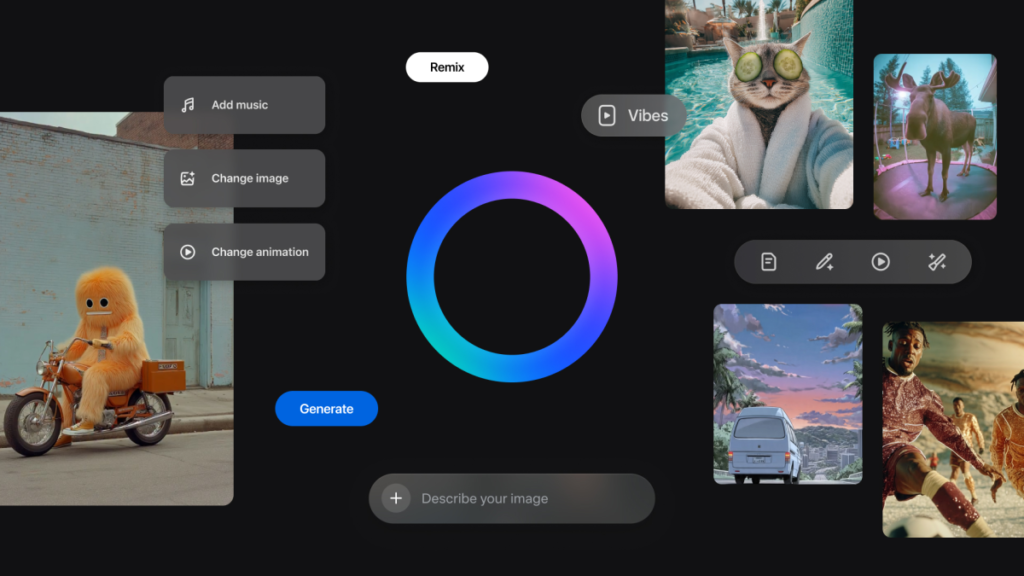
AI fundamentally alters the economics of creation. Drafting, variation, and exploration are no longer expensive. The value shifts away from execution and toward direction.
This makes integration more important than raw capability. A powerful tool that lives outside your workflow creates friction. A slightly weaker tool that fits cleanly into your stack often wins.
Bolt-on AI tools promise magic but frequently add complexity. Cohesive systems reduce decision fatigue and preserve momentum. As AI becomes ubiquitous, the advantage moves to stacks that feel invisible rather than impressive.
The question is no longer whether AI belongs in your stack. It is whether your stack is designed to absorb it without breaking.
Cost, Lock-In, and Leverage
Stacks carry financial and strategic weight. Subscriptions add up. Redundant tools creep in. Switching costs rise quietly until change feels impossible.
Lock-in is not always bad, but it should be chosen deliberately. The danger comes from dependency without leverage. If your workflow depends on platforms you cannot control, you inherit their priorities and their risks.
Creators need to ask who owns their data, their files, and their outputs. Who sets the rules. Who can change pricing or access overnight.
Leverage comes from optionality. From owning your process as much as possible. From knowing what you can replace and what you cannot.
The Stack Shapes the Work
Tools influence outcomes more than creators like to admit. Defaults shape format. Presets shape aesthetics. Limitations shape storytelling.
Certain looks, lengths, and styles spread not because they are better, but because they are easier to produce within popular stacks. Taste evolves alongside tooling, often without conscious awareness.
This is not inherently bad. It becomes dangerous only when creators mistake tool-driven output for authentic voice. The stack should serve the work, not quietly define it.
Awareness is the first defense. Intentionality is the second.
What Winning Creators Think About First
Creators who build durable careers tend to ask the same questions early.
How fast can I get to a first draft.
How fast can I export.
How fast can I learn from this.
They prioritize reliability over novelty. Systems over hacks. Fewer tools that work together over many tools that do not.
They understand that consistency is a systems problem, not a motivation problem. The stack either supports momentum or fights it.
Designing a Stack on Purpose
An intentional stack starts with questions, not features.
What am I trying to make repeatedly.
Where do I lose the most time or energy.
What breaks when I am under pressure.
Sometimes the right move is not adding a tool but removing one. Simplification often creates more leverage than upgrades.
Stacks should evolve, but not impulsively. Treat them as living systems. Audit them. Prune them. Align them with where you are going, not where you started.
Infrastructure Is Destiny
Creative freedom does not come from unlimited choice. It comes from systems that reduce friction and preserve momentum.
Your creative stack is not a neutral backdrop. It is a set of long-term commitments that shape how you work, what you make, and what you can sustain.
The most important creative decisions increasingly happen before the work begins. In tool selection. In workflow design. In how seriously you treat infrastructure.
That may not feel creative, but it determines everything that follows.