
OpenAI is preparing to introduce advertising inside ChatGPT for a subset of users, marking a notable shift for one of the most widely used AI products in the world. The company says the move will come with strict guardrails around privacy, transparency, and user control.
On Friday, OpenAI said it will begin testing ads in the U.S. across the free and lower-cost versions of ChatGPT. During the initial rollout, ads will appear only at the bottom of responses, and only when a sponsored product or service is deemed relevant to the user’s current conversation.
“The best ads are useful, entertaining, and help people discover new products and services,” wrote Fidji Simo, OpenAI’s CEO of applications, in a blog post. “Given what AI can do, we’re excited to develop new experiences over time that people find more helpful and relevant than any other ads.”
Simo emphasized that advertising will not change how ChatGPT works at a fundamental level. She said that “your data and conversations are protected and never sold to advertisers,” and that ads will be clearly marked and visually separated from ChatGPT’s standard responses. Users will be able to dismiss ads and turn off personalization entirely. “Ads do not influence the answers ChatGPT gives you,” Simo wrote.
OpenAI also outlined limits on where ads will appear. During the testing phase, ChatGPT will not display ads to users under 18—or to accounts the company believes belong to minors—and advertising will be excluded from conversations involving “sensitive or regulated topics like health, mental health or politics,” according to Simo.
The announcement coincided with the launch of ChatGPT Go, a new entry-level subscription priced at $8 per month that offers more features than the free tier. OpenAI plans to begin testing ads in the U.S. for both free users and Go subscribers in the coming weeks. Higher-priced plans—including Plus, Pro, Business, and Enterprise—will remain ad-free.
Simo framed the advertising push as part of OpenAI’s broader mission, writing that the company aims to ensure artificial general intelligence “benefits all of humanity,” and that “our pursuit of advertising is always in support of that mission and making AI more accessible.”
The shift comes as OpenAI continues to scale rapidly, even as it absorbs significant costs. The privately held company reportedly generated more than $13 billion in revenue in 2025 while still operating at a loss. CEO Sam Altman said on the “BG2 Pod” podcast that OpenAI’s revenue was “well more” than that figure, and suggested the company could reach $100 billion in revenue by 2027.
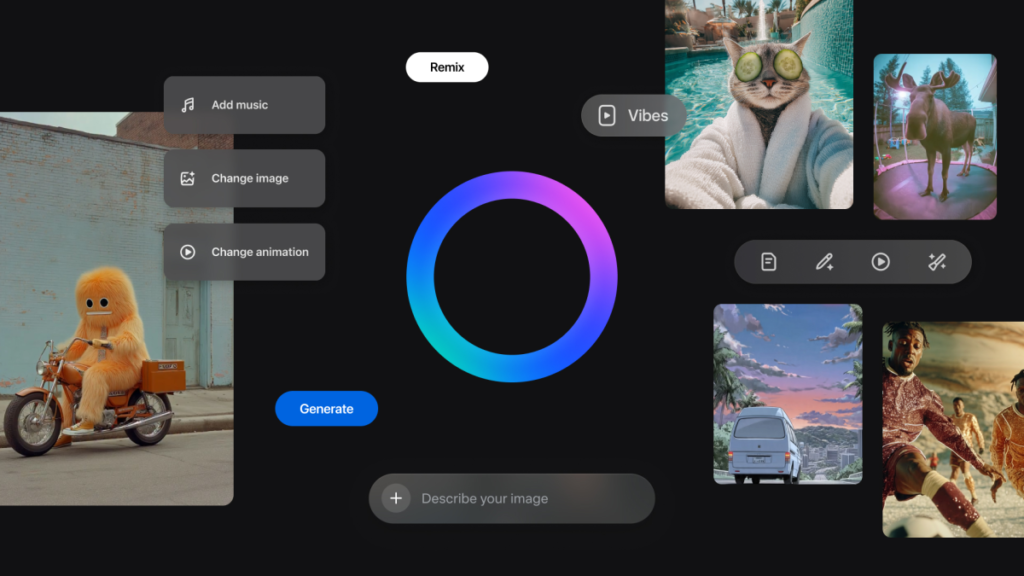
OpenAI has also been expanding its commercial partnerships. In December, OpenAI and Disney announced a three-year licensing deal that allows OpenAI’s Sora video platform to generate user-prompted videos using more than 200 masked, animated, or creature characters from Disney, Marvel, Pixar, and Star Wars. Sora and ChatGPT Images are expected to begin producing “fan-inspired” videos with licensed Disney characters in early 2026. As part of the agreement, Disney committed to a $1 billion equity investment in OpenAI.