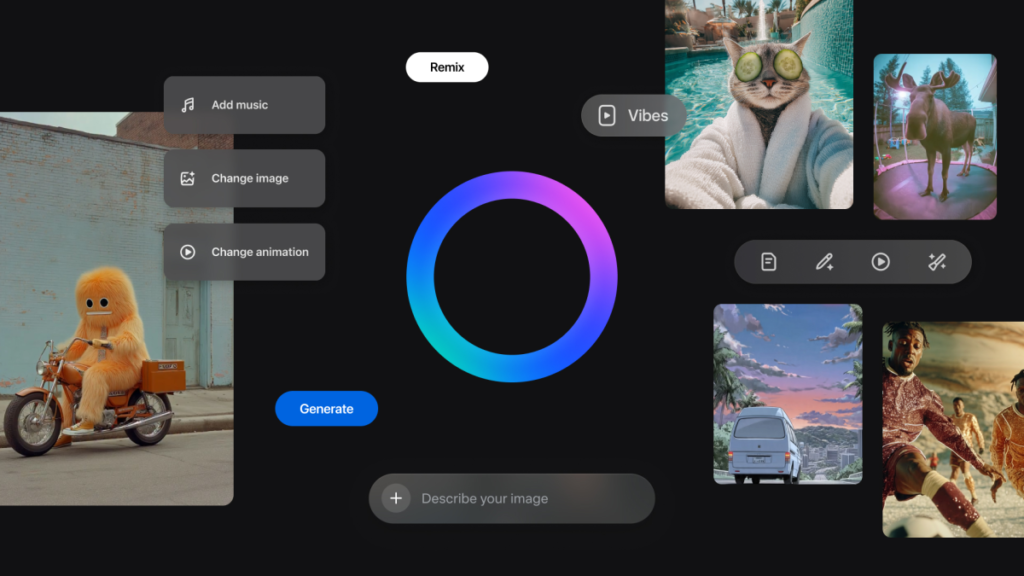

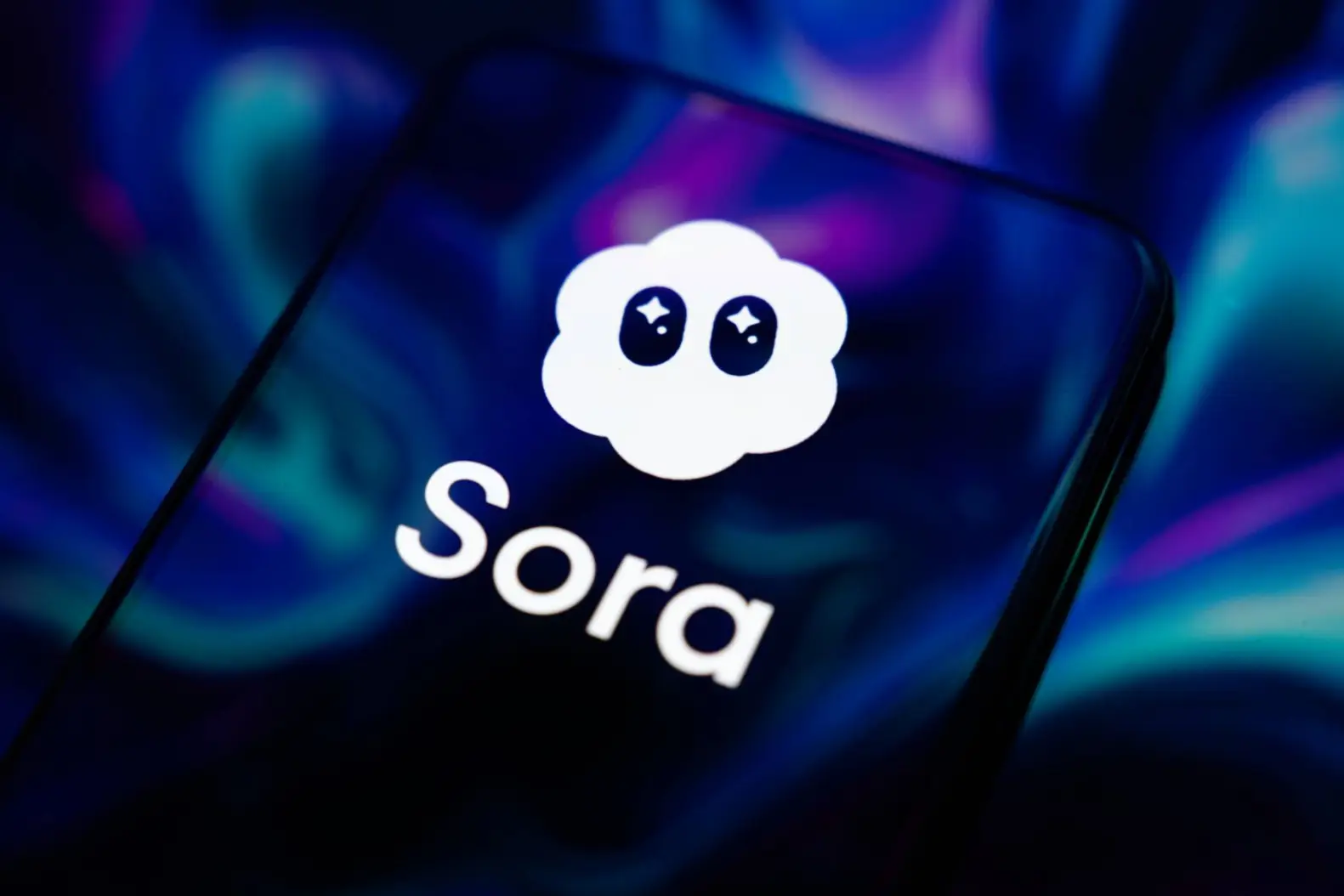
OpenAI announced on Tuesday that it is discontinuing Sora, the standalone AI video generation app that briefly seemed like it might reshape short-form content creation. The iOS app, the web experience at Sora.com, and the developer API will all go dark, though the company has not yet confirmed an exact shutdown date.
The move is abrupt by any measure. Sora hit the top of Apple’s App Store within a day of its September 2025 launch and racked up a million downloads in under five days. Three months later, Disney signed a blockbuster three-year agreement to license more than 200 of its characters — spanning Marvel, Pixar, and Star Wars — for use on the platform, along with a planned $1 billion investment in OpenAI. That deal is now dead. No money ever changed hands, and Disney confirmed on Tuesday that it would not be moving forward with the investment.
According to Reuters, the Disney team was blindsided. Just 30 minutes after a joint working session on Monday evening, Disney staff learned that OpenAI was pulling the plug entirely.
Why Now?
The short answer: compute economics. Every frontier AI company is wrestling with a finite supply of processing power, and Sora was extraordinarily resource-hungry. With OpenAI reportedly preparing for an IPO following its recent $110 billion fundraise — which valued the company at roughly $730 billion — there is growing internal pressure to rationalize spending and demonstrate a clear path to profitability.
Fidji Simo, OpenAI’s CEO of applications, recently told staff that the company is orienting aggressively toward high-productivity use cases. That means enterprise clients and coding tools, not experimental consumer video apps. The Sora shutdown follows a pattern: earlier on Tuesday, OpenAI also scrapped its Instant Checkout shopping feature, and the company recently announced plans to consolidate its web browser, ChatGPT app, and Codex coding tool into a single desktop application.
Competition is also a factor. Anthropic has been gaining significant ground in the enterprise market with its Claude models, building a large business by focusing compute on text and code generation rather than spreading resources across flashy consumer products.
The Copyright Problem That Never Went Away
Sora’s technical capabilities were never in question. Its second-generation model, launched alongside the app in September, could produce startlingly realistic video with audio and improved physics. But that realism was precisely the problem.
Users immediately began generating videos featuring the likenesses of real public figures — Michael Jackson, Stephen Hawking, Martin Luther King Jr. — doing absurd or offensive things. OpenAI was forced into reactive moderation, cracking down only after outcry from family estates and SAG-AFTRA. Japanese content trade group CODA, representing members including Studio Ghibli, sent a formal demand that OpenAI stop using their works to train the model.
The Disney licensing deal was partly an attempt to channel that creative energy into sanctioned territory, but it never had time to mature. By January, Sora downloads had already fallen 45 percent from their peak, and the copyright and deepfake concerns showed no signs of abating.
What Survives
OpenAI has said it will provide tools for users to export and preserve the content they created on the platform. The company also emphasized that its Sora research team will continue working on world simulation for robotics applications — a less visible but potentially more durable use of the underlying technology. ChatGPT’s image generation features remain unaffected, though text-to-video prompts within ChatGPT will also be discontinued.
The Bigger Picture for AI and Entertainment
For the entertainment industry, the Sora saga compresses an entire hype cycle into about 18 months: initial awe, immediate anxiety, a high-profile corporate partnership, and then a quiet unwinding. It leaves Google as the only major player with real scale in AI video generation, though Google has yet to secure any comparable licensing agreements with major IP holders — and is, in fact, facing lawsuits from some of them.
The lesson may be less about whether AI video generation works and more about whether any company can afford to run it at scale while simultaneously navigating the legal, ethical, and economic minefields it creates. For now, OpenAI has decided the answer is no.